Understanding the Two Popular Building Methods
When it comes to building with stones, there are two main approaches: dry and mortared. Each method has its unique features and benefits. Understanding these differences can help you decide which is best for your project. Dry stonework uses no binding material, relying on carefully fitted stones. In contrast, mortared builds involve cement or mortar to hold stones together. This article explores each technique’s advantages, challenges, and cost considerations.
Overview of Dry Construction Method
Dry stone construction is a time-honored technique that uses only stones without any mortar. Builders fit stones tightly together, creating a stable structure by relying on gravity and skillful placement. This method dates back thousands of years and is celebrated for its natural appearance and durability.
Advantages of Dry Stone Techniques
Choosing dry stone masonry offers several benefits:
- Aesthetic appeal: It blends seamlessly with natural landscapes.
- Flexibility: Structures can shift slightly, reducing crack risks.
- Durability: Well-constructed walls can last for centuries.
- Sustainability: No need for concrete or other materials.
Challenges With Dry Stone Work
While dry stone masonry has many positives, it also presents some challenges:
- Skill requirement: Building requires experienced artisans for precise stone placement.
- Time-intensive: The process demands careful fitting, making it slower than other techniques.
- Structural limitations: Not suitable for all types of buildings due to load restrictions.
Introduction to Mortared Stone Method
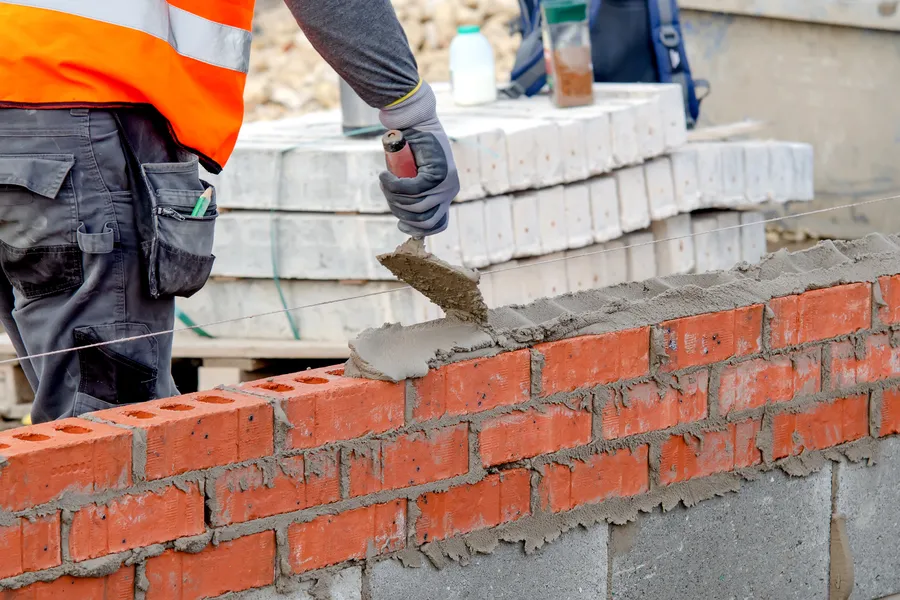
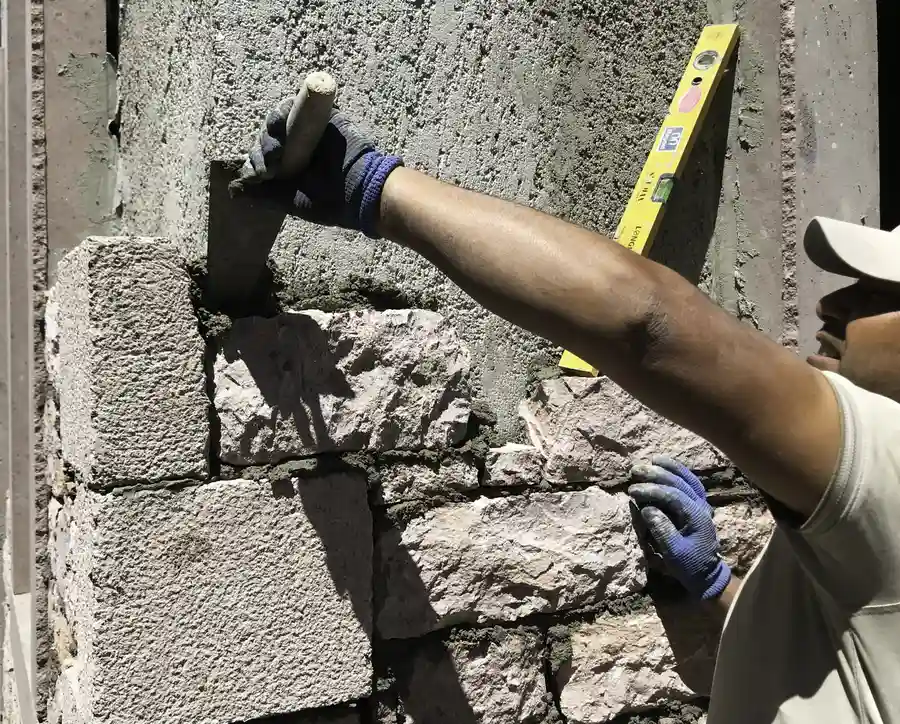
Mortared stone construction involves using mortar to bind stones together. This method offers more structural integrity and allows for diverse architectural designs. It’s widely used in modern construction projects where stability is a priority.
Benefits of Using Mortar in Construction
The use of mortared stone masonry provides advantages such as:
- Increased strength: Mortar adds a solid bond between stones.
- Versatility: Suitable for various building styles and heights.
- Easier installation: Requires less precision compared to dry methods.
- Weather resistance: Better suited for harsh climates due to sealed joints.
Common Issues With Mortared Builds
Masonry involving mortar may face issues including:
- Maintenance needs: Joints may require re-pointing over time.
- Environmental impact: Cement production contributes to carbon emissions.
- Aesthetic drawbacks: Less natural look compared to dry methods.
Cost Considerations When Choosing Your Method
The choice between dry and mortared stone masonry influences the overall cost. Dry stone work often incurs higher labor costs due to skilled craftsmen requirements. However, it saves on materials like cement. Mortared options might be cheaper initially but may need long-term maintenance investments.
Expert Recommendations for Successful Projects
If you’re considering either method, here are a few tips:
- Assess your project’s needs: Consider aesthetics, structural demands, and location.
- Select skilled artisans: Expertise ensures quality and durability.
- Plan for maintenance: Regular checks ensure longevity, especially with mortared structures.
- Weigh environmental impacts: Choose the method aligning with your sustainability goals.
Your Pathway to Beautiful Masonry Solutions
For those exploring high-quality masonry solutions, consider both dry and mortared options depending on your needs. At Dario's Masonry, we specialize in delivering exceptional results tailored to your vision. Whether in a bustling city or serene landscape like Denver, CO, our team stands ready to craft durable, beautiful stone structures. Call us at (303) 257-2303 today to start your journey toward a stunning build that stands the test of time.