Essential Guide to Creating Durable Outdoor Spaces
High-traffic areas require special attention when planning patios. These spaces see constant use and need materials and designs that can withstand heavy foot traffic without compromising on aesthetics or safety. Understanding what makes a patio functional in these conditions is crucial for anyone considering such an installation. This article will explore key aspects, from choosing the right materials to implementing effective design strategies, ensuring your patio remains both beautiful and durable over time.
Choosing Materials That Last
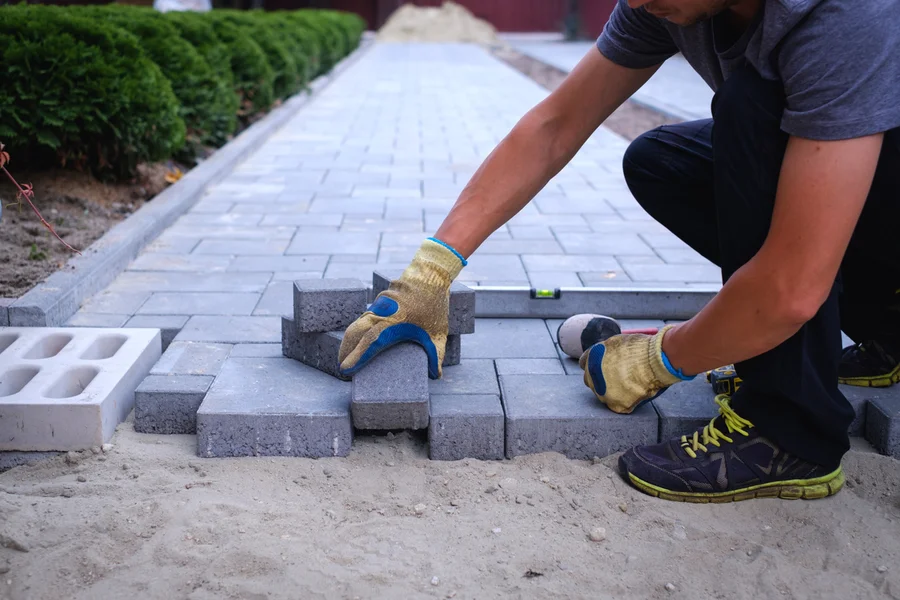
When it comes to patio installation, selecting durable materials is essential. Options like concrete, brick, and natural stone are popular because they offer strength and longevity. Concrete is versatile and cost-effective, while brick provides a classic look with excellent wear resistance. Natural stone, although more expensive, brings a premium finish that’s hard to beat. Each option has its pros and cons, so understanding them helps in making an informed choice.
Designing for Functionality and Flow
A successful patio installation depends heavily on thoughtful design. It’s important to consider the layout of furniture and pathways to facilitate ease of movement. For high traffic areas, integrating wide walkways and open seating arrangements prevents congestion and maintains fluid access throughout the space. Incorporating features like built-in benches or planters can maximize utility without sacrificing style.
Addressing Common Challenges
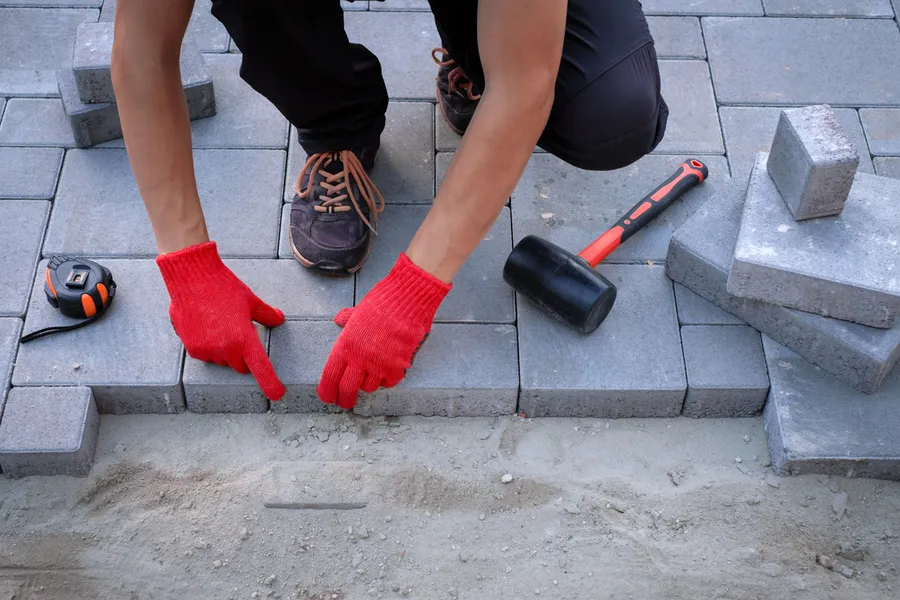
High-traffic areas present unique challenges. Wear and tear from foot traffic can lead to early damage. Additionally, weather conditions can exacerbate these issues. To combat this, you should select weather-resistant finishes and regularly maintain surfaces to prevent deterioration. A robust drainage system is also critical to avoid water pooling, which can weaken structural integrity over time.
Implementing Best Practices for Longevity
- Select slip-resistant materials for added safety
- Use sealants to protect against moisture and UV damage
- Plan for future growth by leaving room for expansion
- Incorporate shade structures to reduce heat exposure
Applying these best practices ensures that your patio not only stands up to frequent use but also stays looking its best year-round.
Understanding Industry Standards
Adhering to industry standards is vital for any construction project. Ensure compliance with local building codes related to load-bearing capabilities and material specifications. Hiring certified professionals with experience in high-traffic area installations can provide peace of mind that all regulations are met. These standards exist to ensure safety and durability, protecting your investment in the long term.
Examining Cost Considerations
The cost of installing a patio in a high-traffic area varies significantly based on materials, size, and complexity of design. While initial costs may seem high, investing in quality materials and professional workmanship pays off by reducing future repair expenses. Considering factors like maintenance requirements and potential increases in property value can make upfront investments worthwhile.
Final Recommendations for Your Project
For a successful outdoor project, focus on using durable materials and smart design principles. Keep future needs in mind to ensure your patio remains functional as family or business demands change. Reach out to Dario's Masonry at (303) 257-2303 for expert guidance tailored to your specific situation. Based in Denver, CO, we offer services designed to meet all your outdoor living needs with excellence.